
How to Choose the Right Location for Your New Home?

1. Compass and the movement of the sun
Pay attention to how your chosen home is positioned in relation to the sun. It is also important to consider that in our climate, the sun behaves differently in summer and winter, and the sun path diagram often represents the summer sun.
A compass is available for each apartment on the Liven website.
2. Commercial spaces in the building
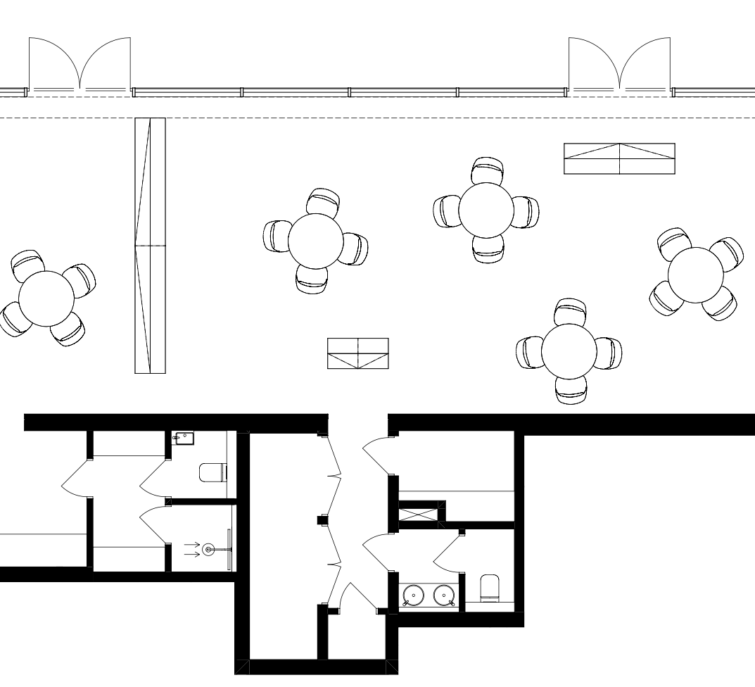
In new developments, commercial spaces are often planned on the ground floor. Take the time to find out what kinds of businesses are expected to move in. At early stages of development, it is not always known which companies will occupy these spaces, but you can usually learn what type of business the premises are designed for. For example, restaurants require specific ventilation systems. This can give you a good indication of what kind of businesses might be coming in the future.
PS Commercial spaces developed by Liven are well suited for restaurants, cafés, shops, salons and other services – everything that makes a vibrant community even more comfortable and enjoyable. We want people to truly value the businesses in their building and feel connected to them. That said, there are a few exceptions that no one would want right below their home: liquor stores, nightclubs, pawn shops, or cigar lounges. You won’t find these in Liven developments.
.

3. Elevation levels and landscaping in the site plan
Elevation levels shown in the site plan help you understand whether the terrain is flat or varied. Uneven terrain is often more dynamic and can create more interesting design solutions. The plan indicates both new trees and shrubs, as well as those that will be preserved. Knowing the type of tree allows you to consider its potential height in the years to come.
Trees provide shade – they create privacy and reduce heat from the sun, but they may also block potential views.
Rainwater infiltration on the plot is a modern, environmentally friendly solution, and this information should also be reflected in the site plan.
4. Checklist for evaluating your new home’s location (If some points are not important to you, focus on those that matter most)
- Proximity to schools and kindergartens (by public transport, car or on foot)
- Distance to grocery stores (by car or on foot)
- Distance to the nearest bus stop
- Distance to your workplace
- Orientation of the home in relation to the sun
- Orientation of the balcony/terrace in relation to the sun
- Location of the home within the building
- Businesses in the building and surrounding area
- Estimated maintenance costs of the development (e.g. landscaping, heated garage, etc.)
If possible, it is best to live close to your family’s workplaces and schools/kindergartens, this helps you save time and reduce your environmental impact.